A Production Company’s Guide to Casting:
From Creative Vision to Shoot Day
August, 2026
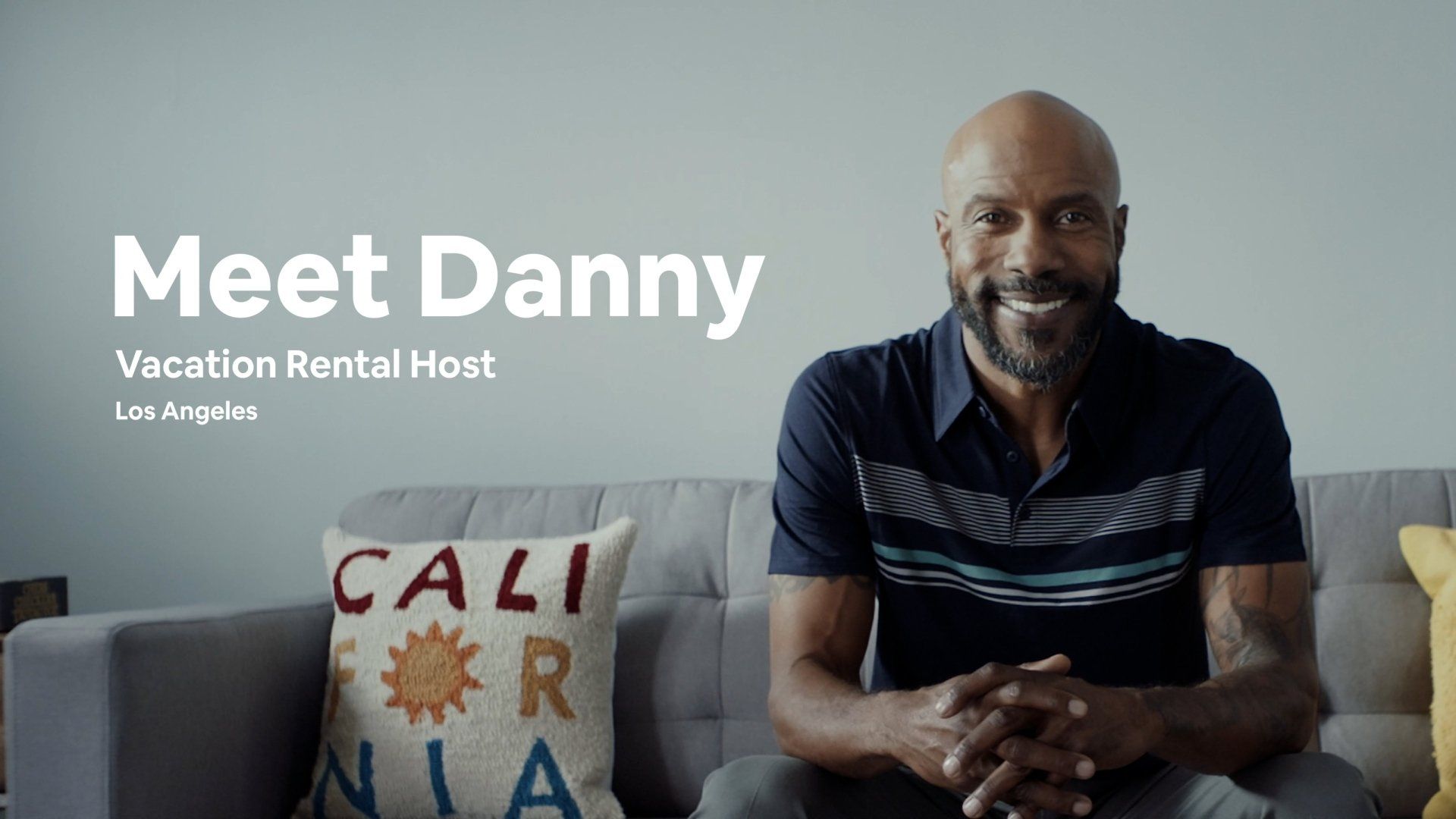
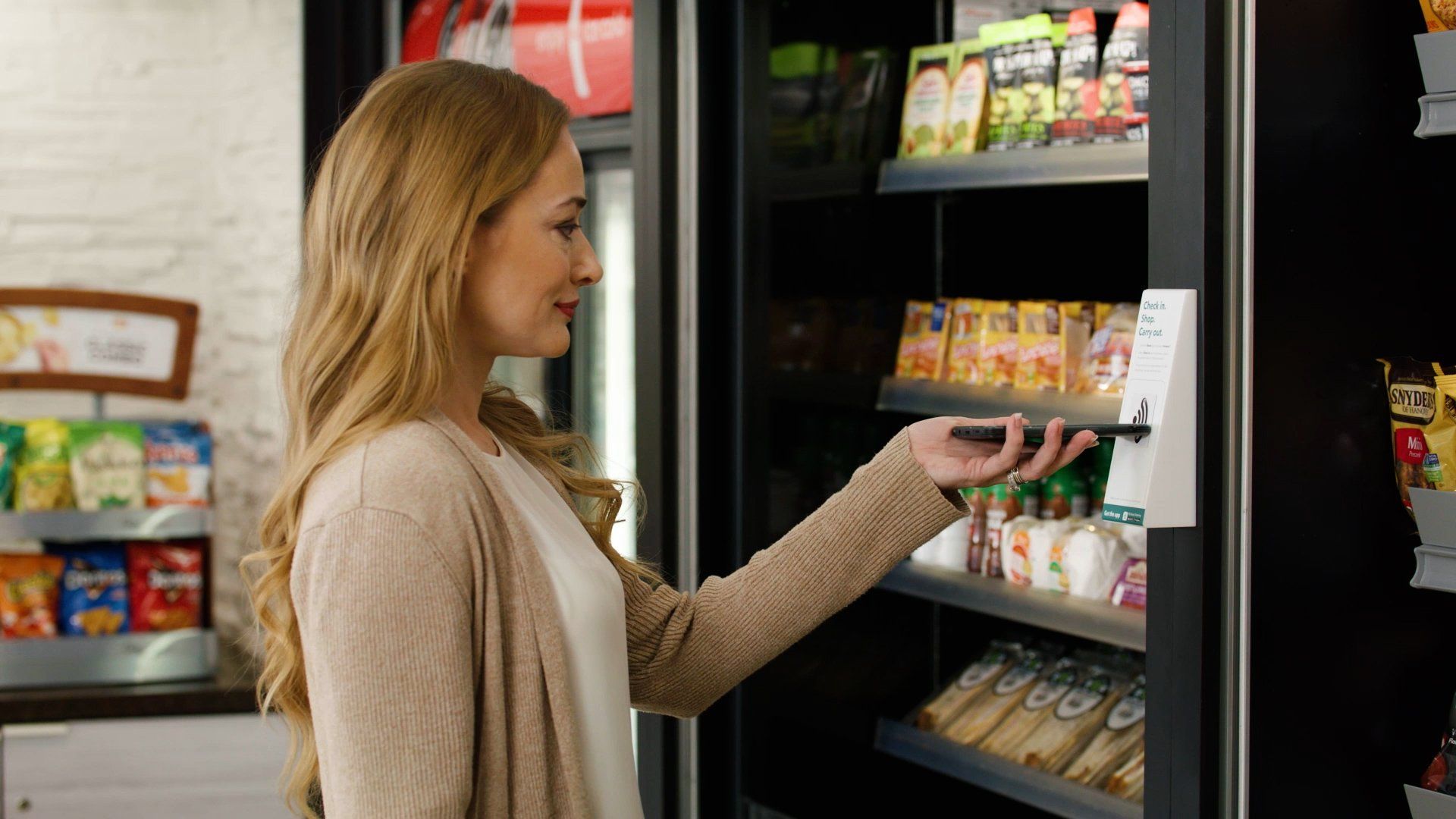
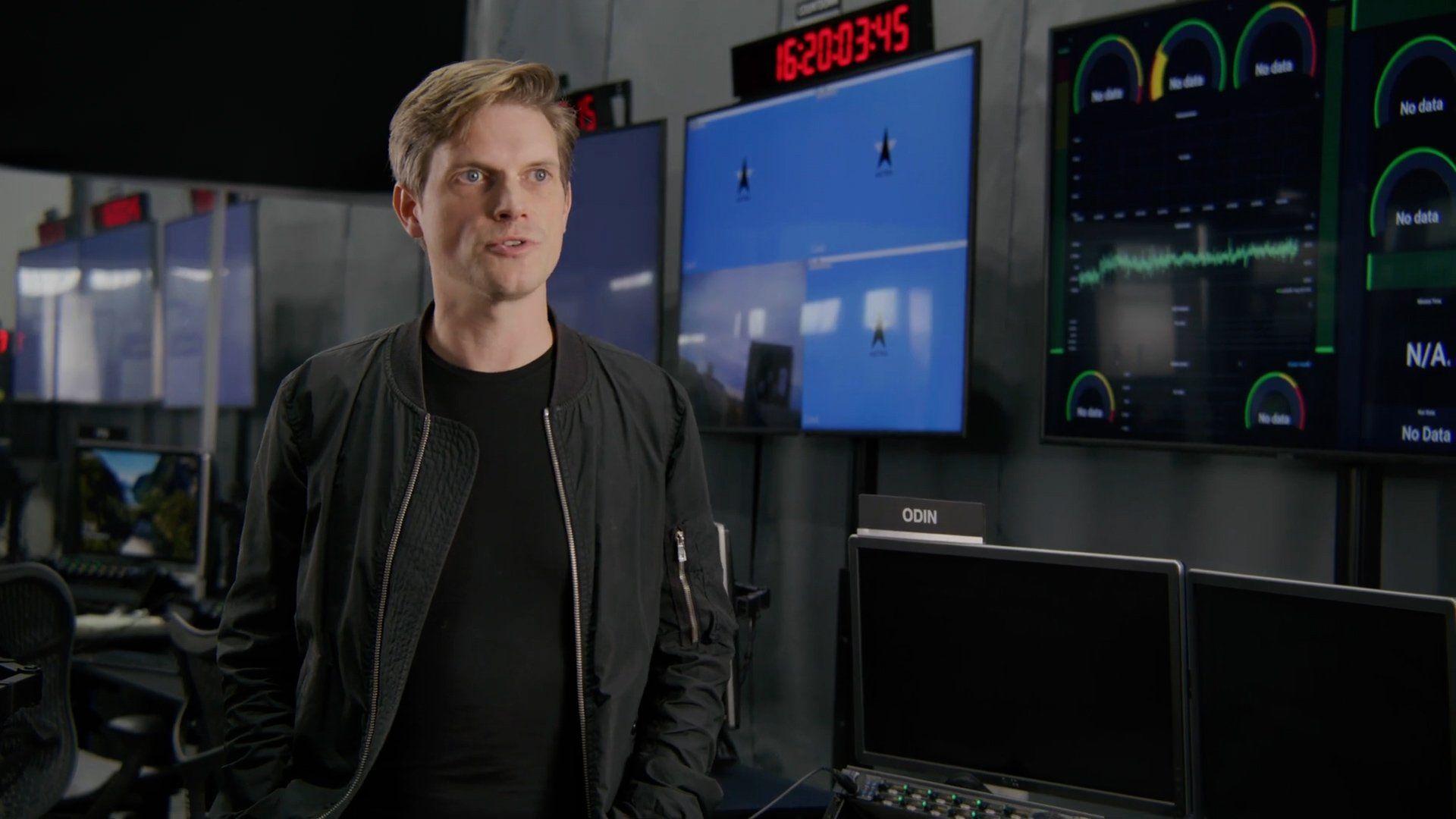
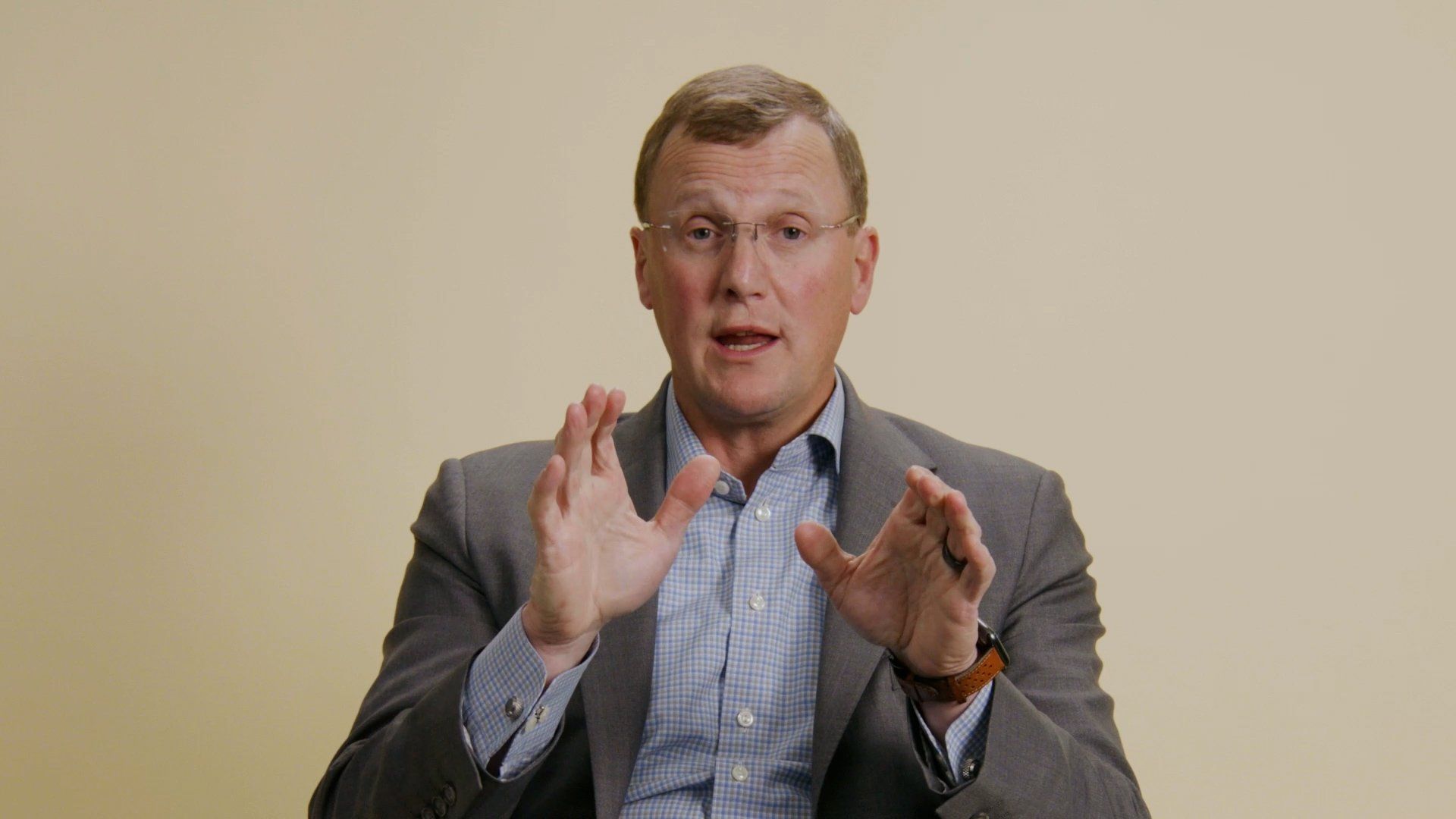
In production, a script is just ink on a page until you find the right people to bring it to life. Whether it’s a commercial, brand film, or highly targeted digital ad, the cast carries much of the project’s emotional weight.
But casting isn’t only about finding talent. It’s also about understanding the client’s vision, working through practical constraints, and occasionally pulling off what feels impossible.
Here’s how we approach casting at Think Foundry, from the first creative brief to the final booking.
Extracting the Vision Before Casting Begins
The first step has nothing to do with headshots. It starts with alignment.
Early in a project, clients often have a broad idea of what they want. Our job is to turn that into a clear, castable brief. The more questions we ask upfront, the better we can define both the creative direction and the practical requirements of each role.
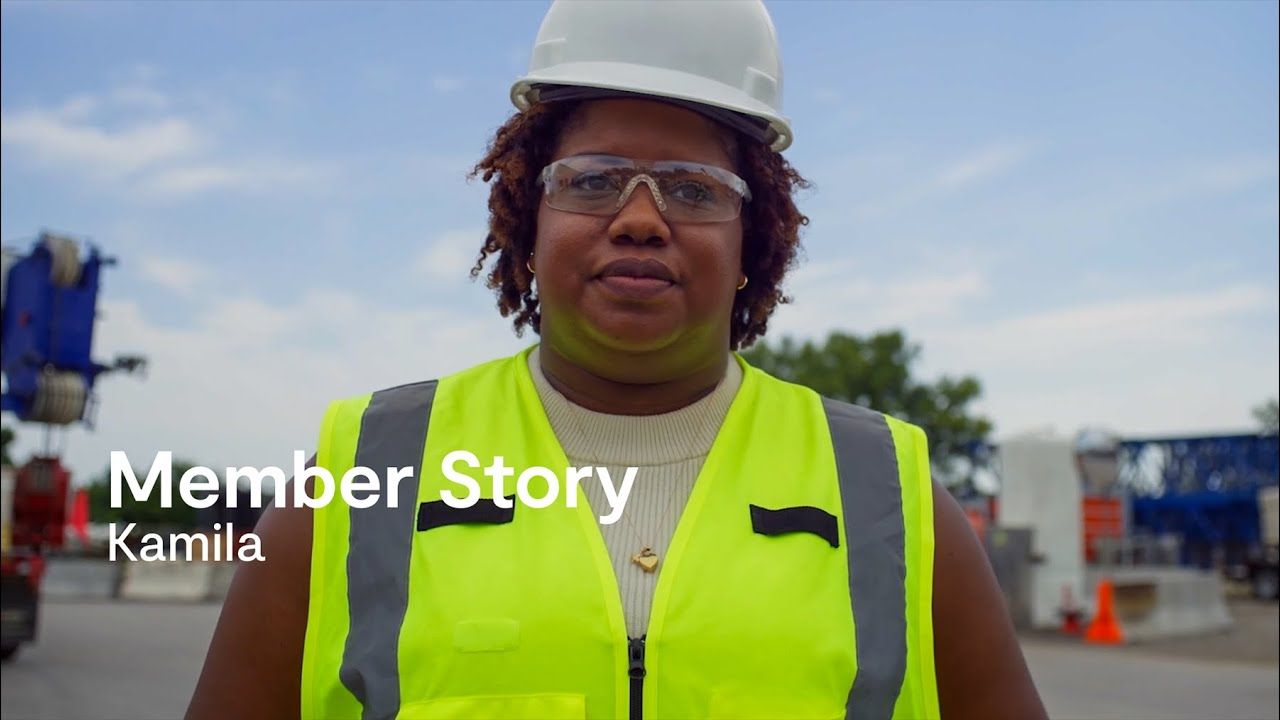
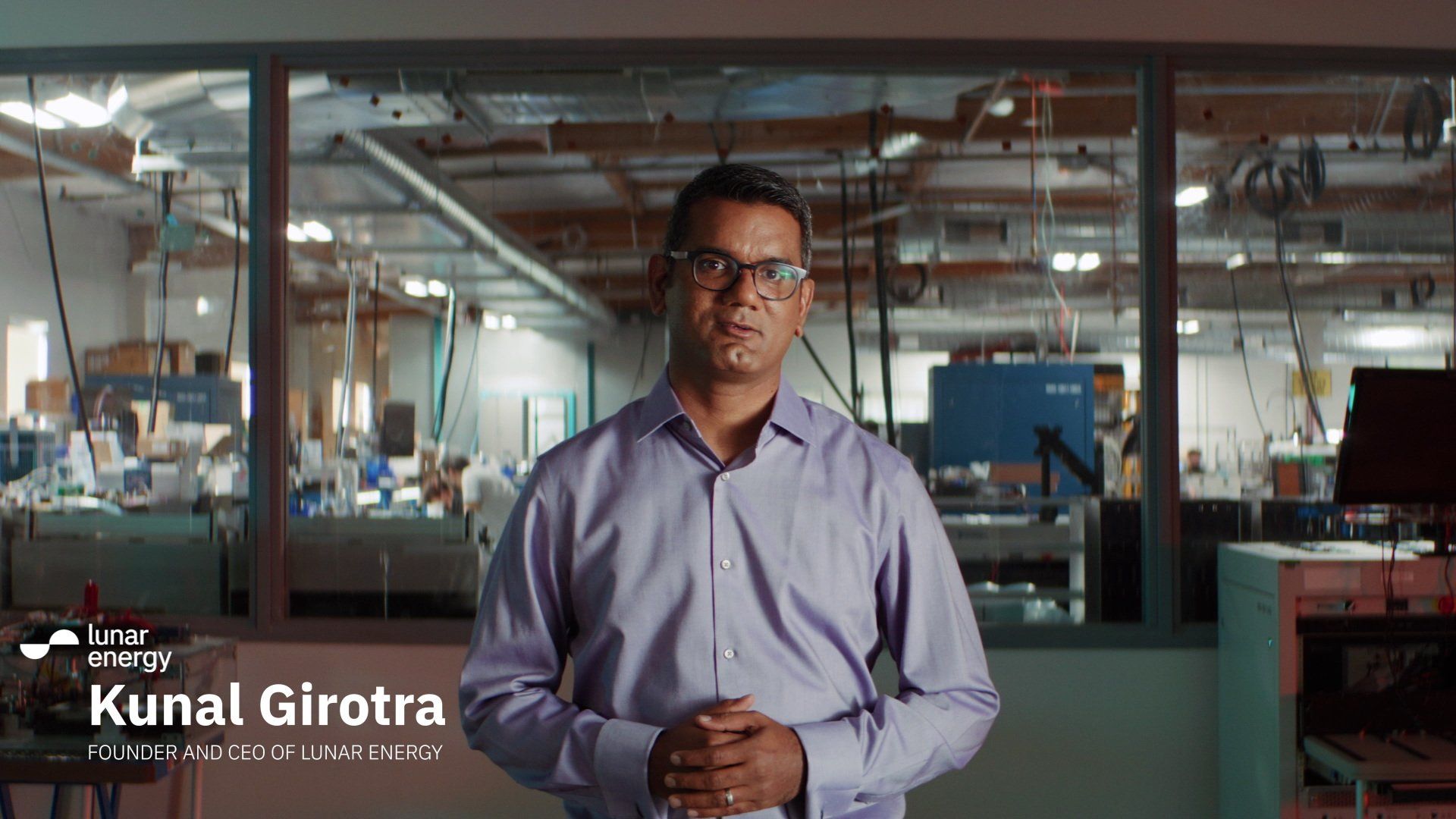
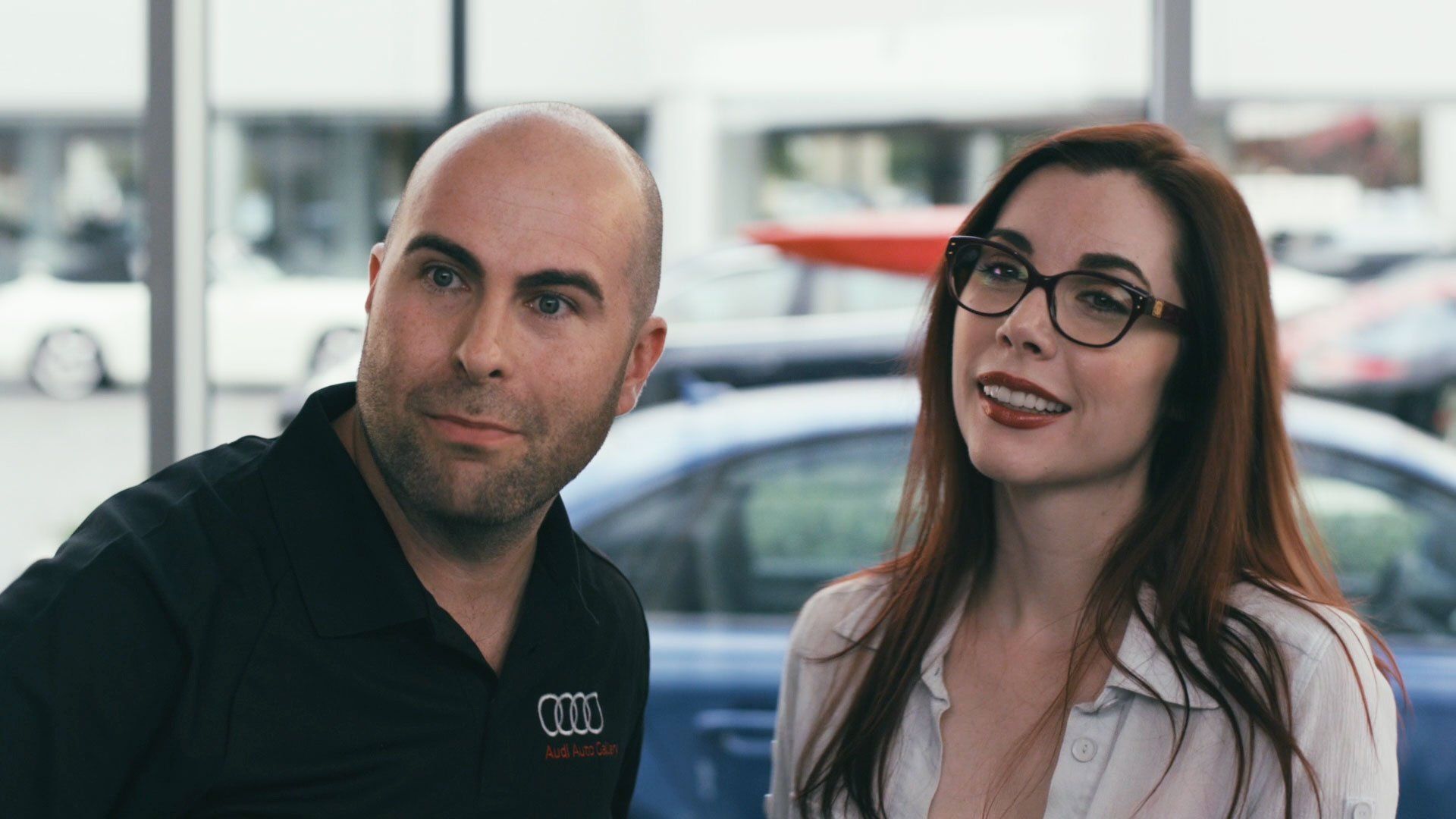
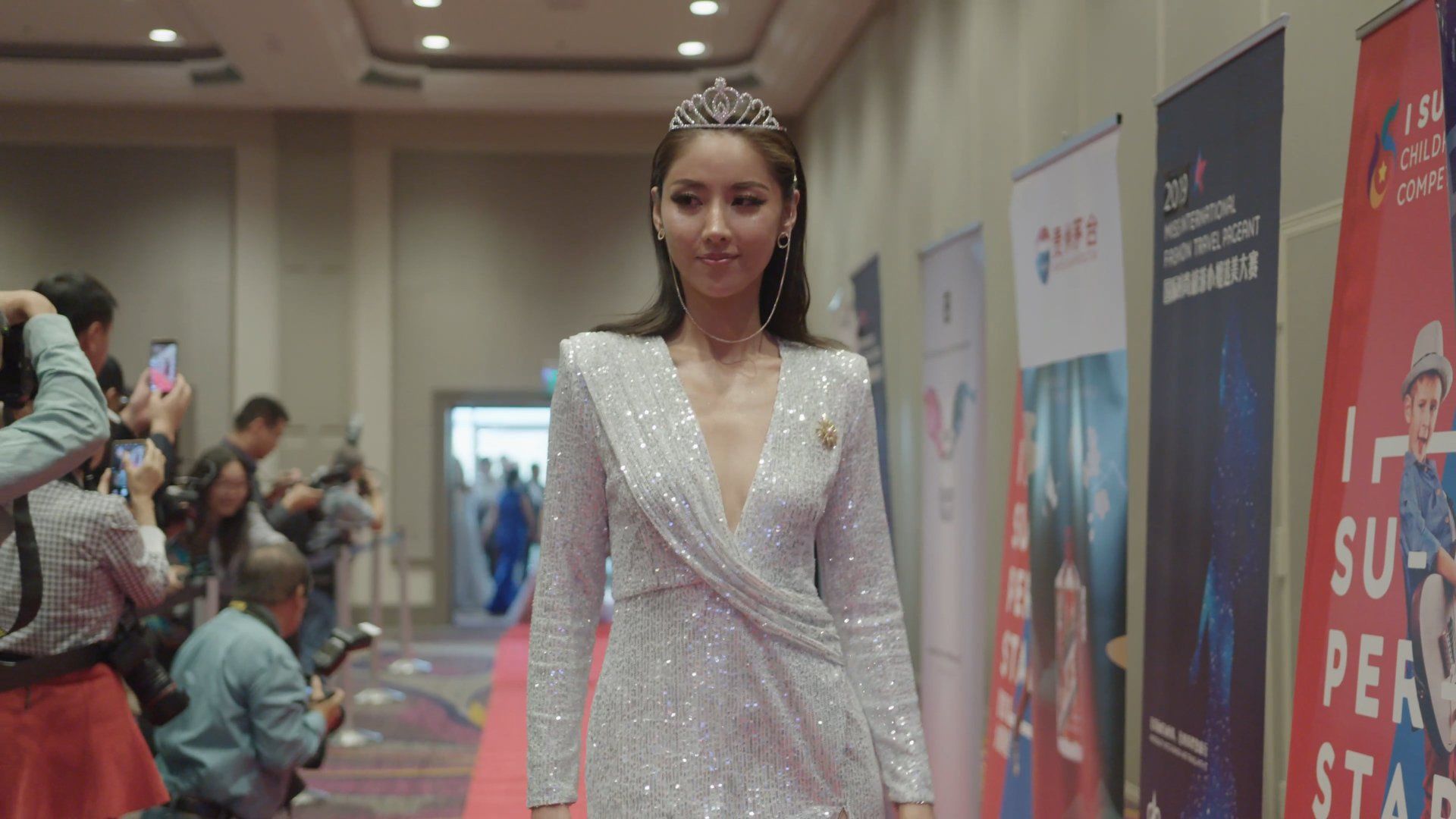
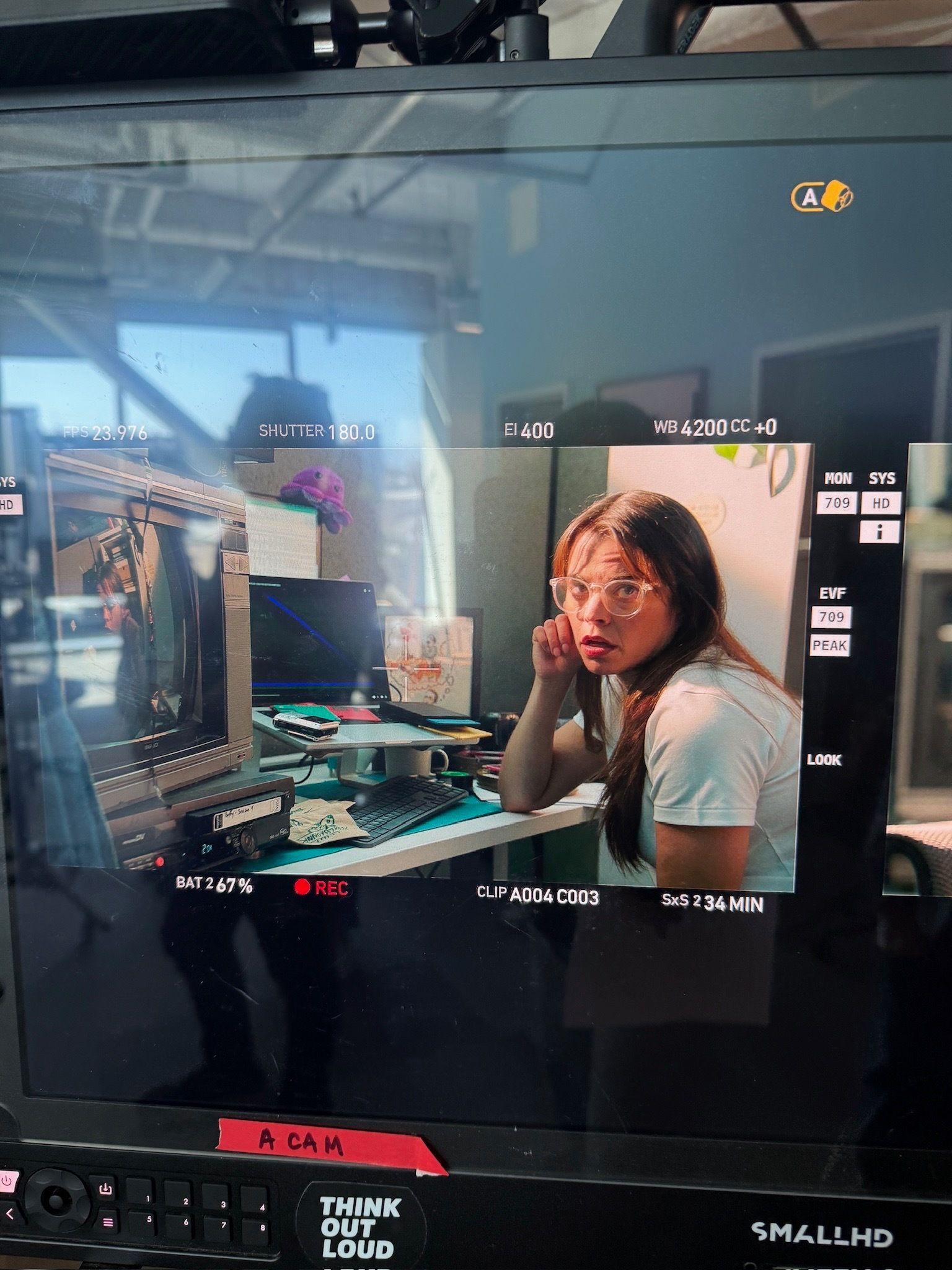
For on-screen actors: We start with details such as age range, gender, ethnicity, and overall character. Then we look at what the role actually demands. Can the actor safely drive on set? Do they need stunt or dance experience? Are they comfortable in the planned environment, whether that’s a quiet office or an open road?
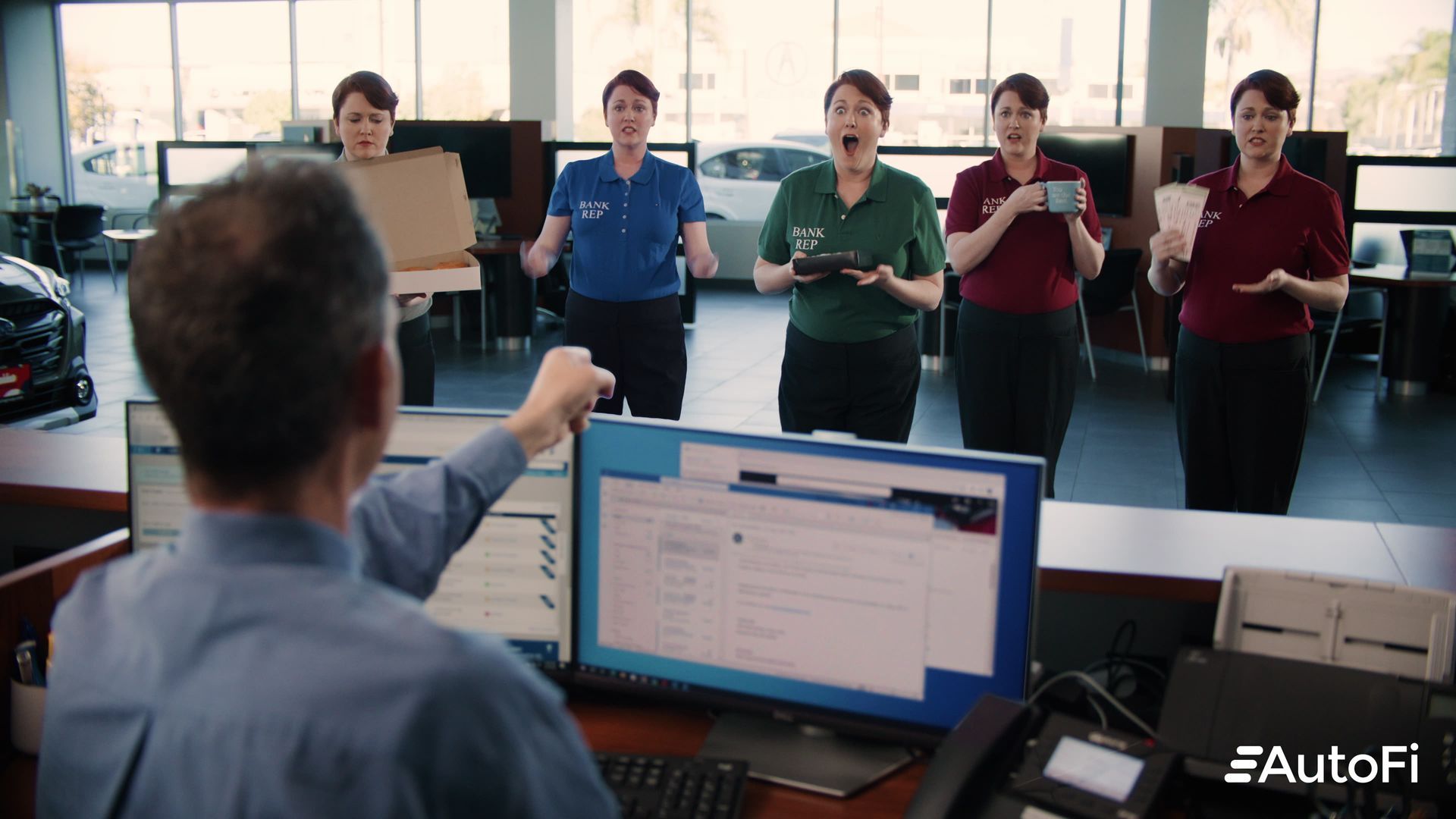
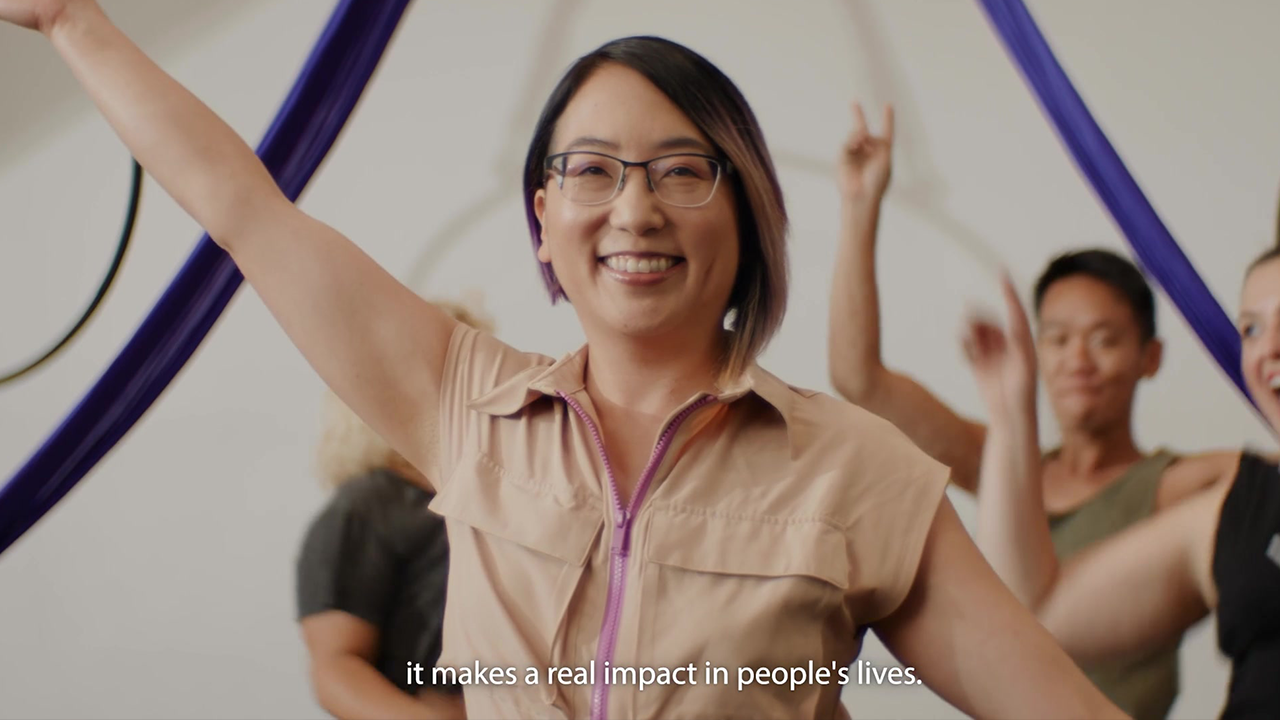
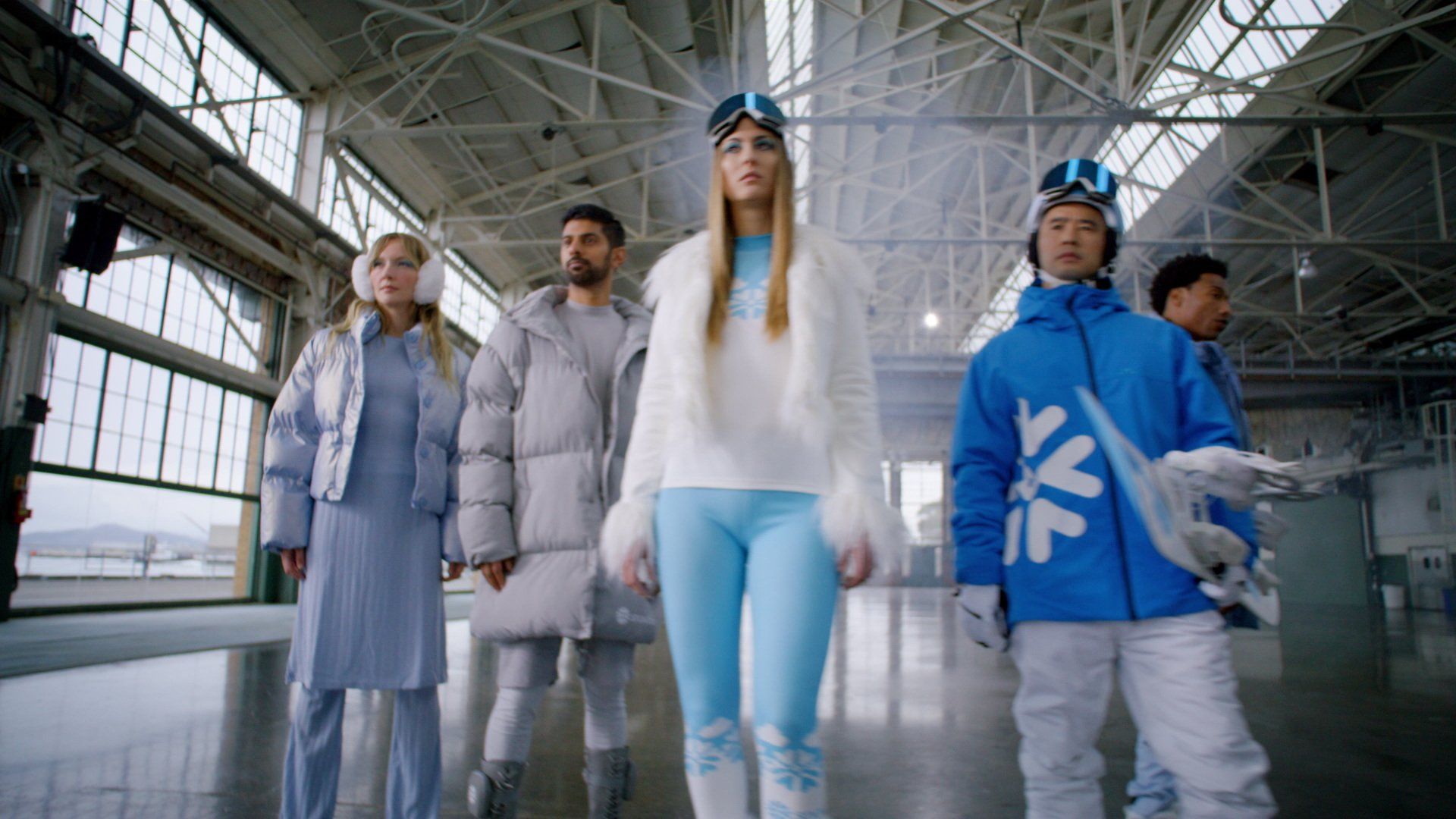
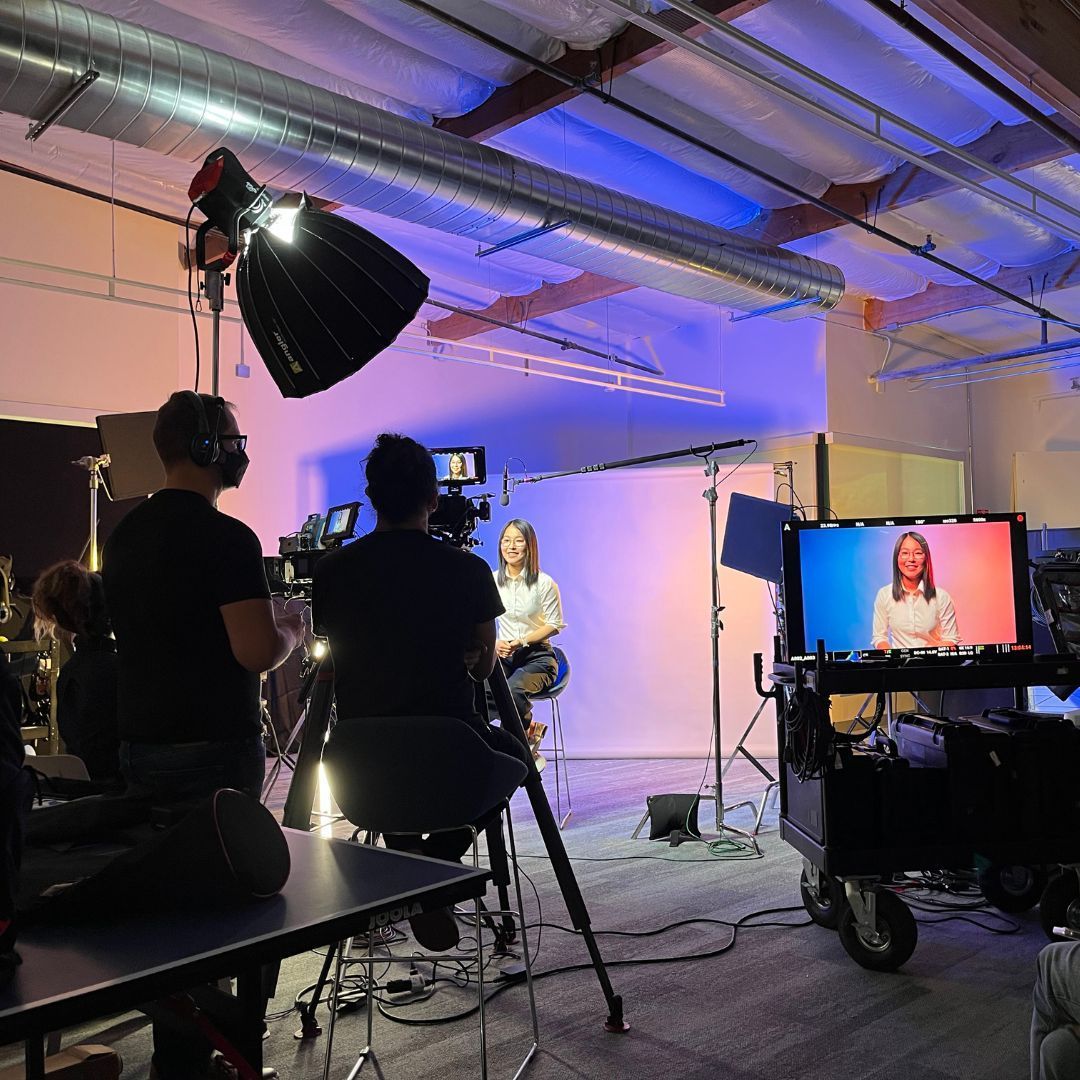
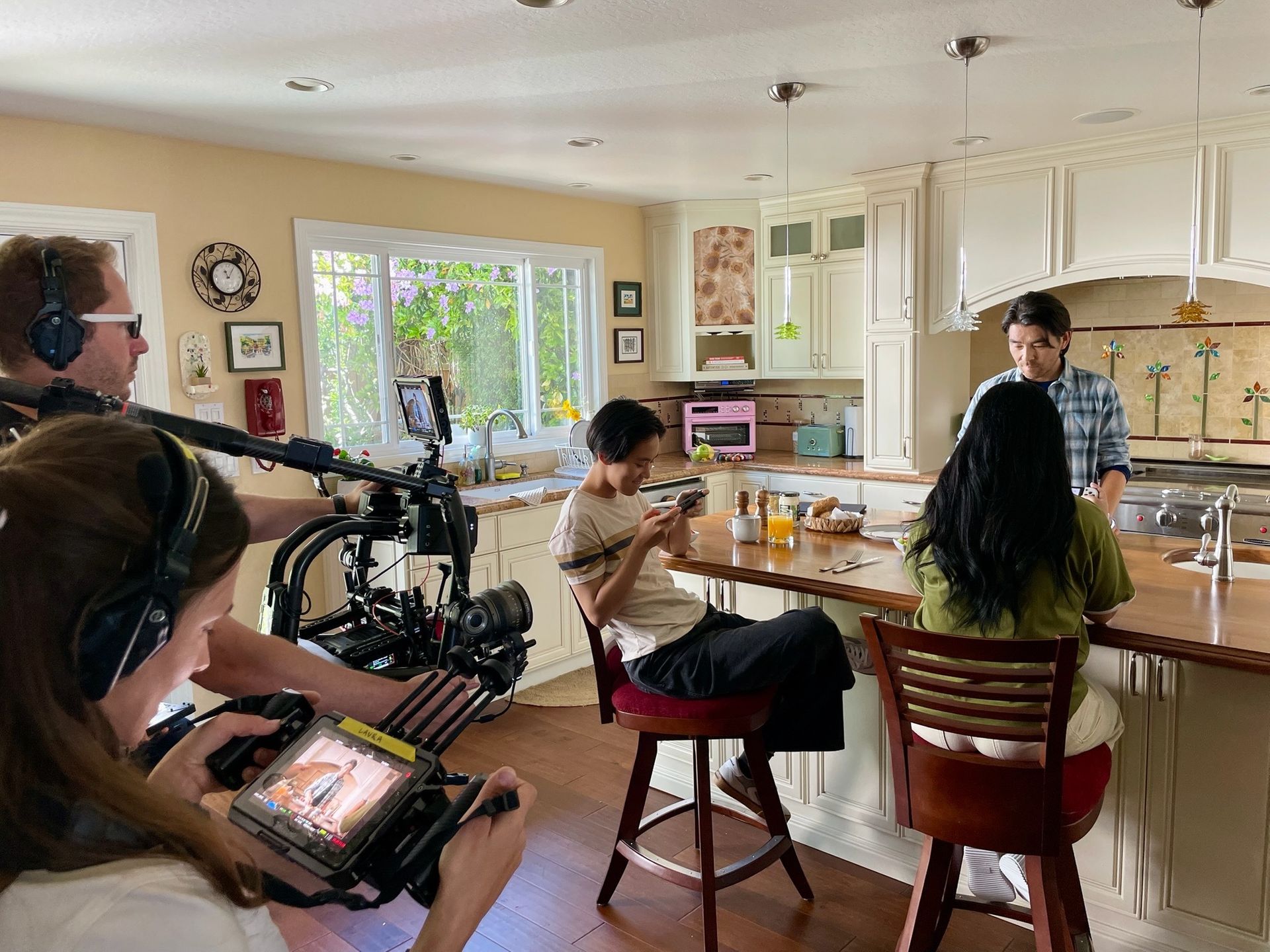
Chemistry and composition: When casting several talent, we have to consider how they work together. Do they feel believable as a group? How will their height, movement, and energy affect the frame? Does the overall cast reflect an authentic range of people and experiences?
Mapping these details early helps the client picture the final film while protecting the production from avoidable problems on shoot day.
Audio Is Visual: Choosing Voiceover Talent
When casting a voiceover artist, we’re looking for a voice that can carry the identity of the brand.
Age and gender may help define the search, but the real test is emotional range, delivery, and the ability to take direction.
Emotional nuance: Can the artist balance authority with warmth? Can they shift their energy without making the performance feel forced?
Localization: If a project requires regional accents or several languages, we need to decide whether one bilingual artist can handle both authentically or whether separate native-language artists will produce a stronger result.
Using technology where it helps: Depending on the project and timeline, AI tools can help create temporary text-to-speech tracks or localized transcripts. These can save time during the scratch-track phase and help the team test pacing before recording the final performance.
Choosing the Right Casting Route
The right casting approach depends on the budget, turnaround time, location, and needs of the project.
Full-service agencies: For larger productions or highly specific roles, working with a dedicated casting agency can offer greater reach and support. We frequently collaborate with Aura Casting to source strong talent, establish fair rates, and define usage terms that make sense for the client’s budget and needs.
Self-tapes and local casting platforms: For local shoots or fast-moving productions, platforms such as
Backstage,
Casting Networks, and
Actors Access can be valuable resources. Each has different strengths, from quick turnarounds to access to union or non-union talent. Knowing which platform fits the job helps us move faster and keep the search focused.
Pulling Off the Friday-to-Monday Miracle
It’s the scenario every production company dreads: it’s Friday afternoon, and three actors need to be on set Monday morning.
It sounds impossible, but we’ve done it.
When the clock is working against us, we can’t always wait for a public casting call. We rely on the relationships and community we’ve built over time.
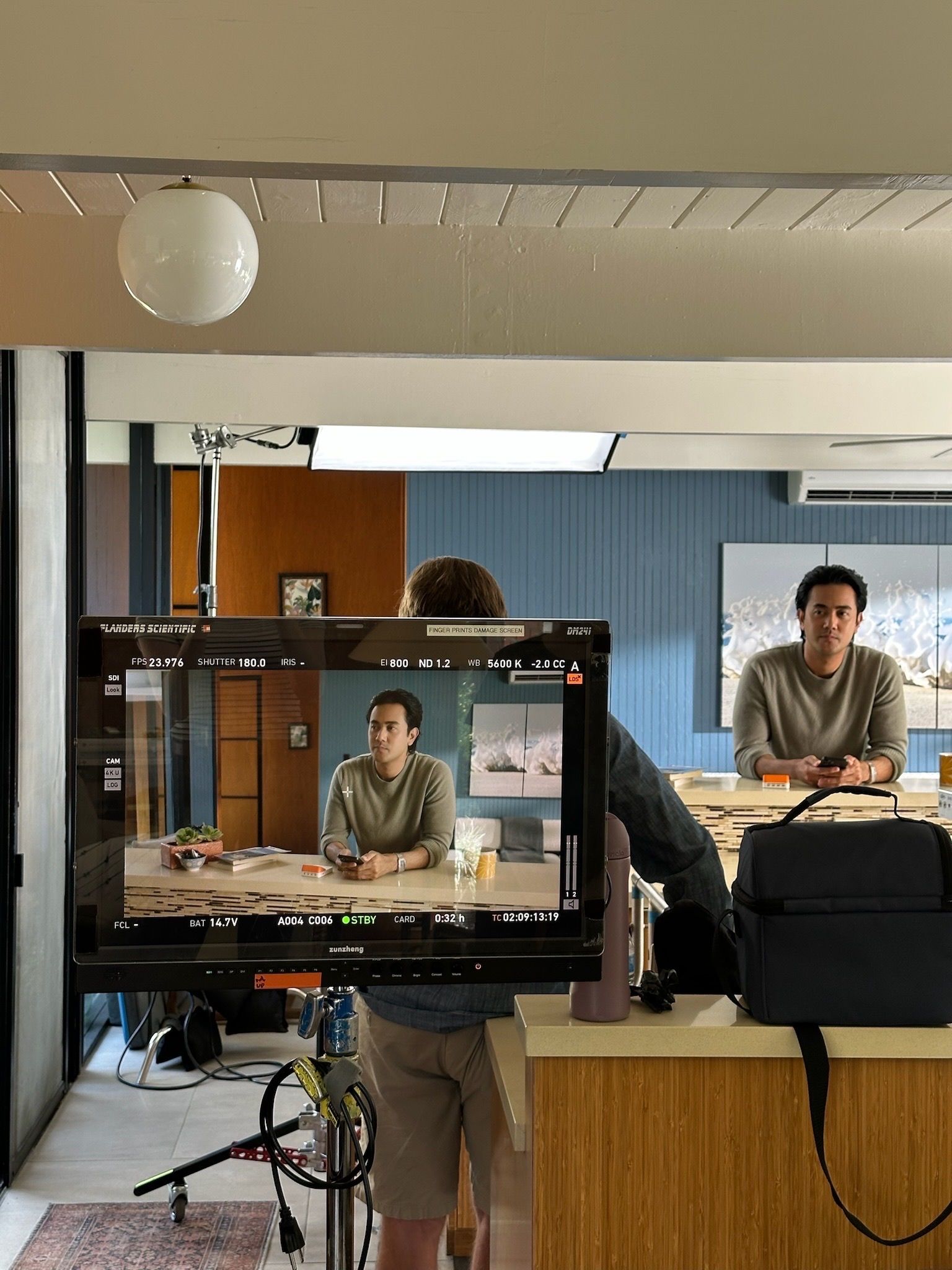
The production industry can feel enormous, but it’s a surprisingly small world. Over the years, we’ve built a trusted network of crew, actors, agents, and casting partners. When a rush project comes in, we can pick up the phone, check availability, and start reviewing the right people immediately.
That speed is possible because the trust already exists. Agents know the production is legitimate. Actors know they’ll be treated well. And clients know we can move quickly without lowering the standard.
The Bottom Line
Successful casting comes down to a simple formula:
clear vision, absolute alignment, and strong, relationship-backed communication.
At the end of the day, we succeed by taking care of both sides of the camera. When our clients feel supported and our talent arrives well-prepared and confident, the work on set becomes easier. More importantly, the people on screen feel right for the story.
Have a project that needs the right face or voice? Let’s talk about how we can bring it to life!
hello@thinkfoundry.com
Our Video Production Work
We’ve worked at tech companies ourselves, so we know what tech companies need. We understand manufacturing, engineering, robotics, and more because we’ve experienced it. Learn more about us and see what we’ve accomplished.