Making Before Me: Storytelling in the New AI Era
AI Video Production Workflow Used in Before Me
There’s a lot happening in
AI video right now.
New tools are coming out fast. The quality keeps improving. What used to take large teams, bigger budgets, or long production timelines can now be explored much faster.
That’s exciting, but tools alone don’t make something memorable.
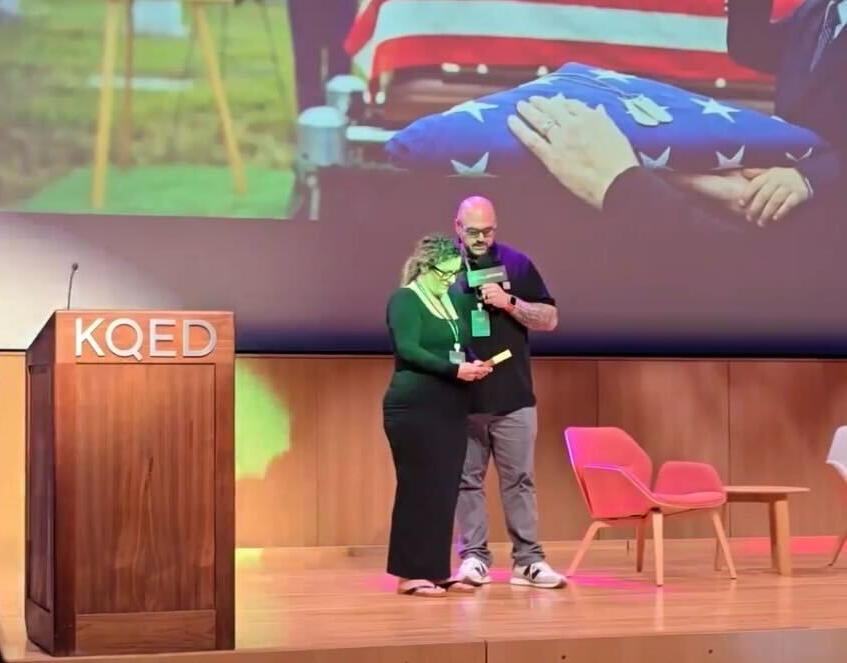
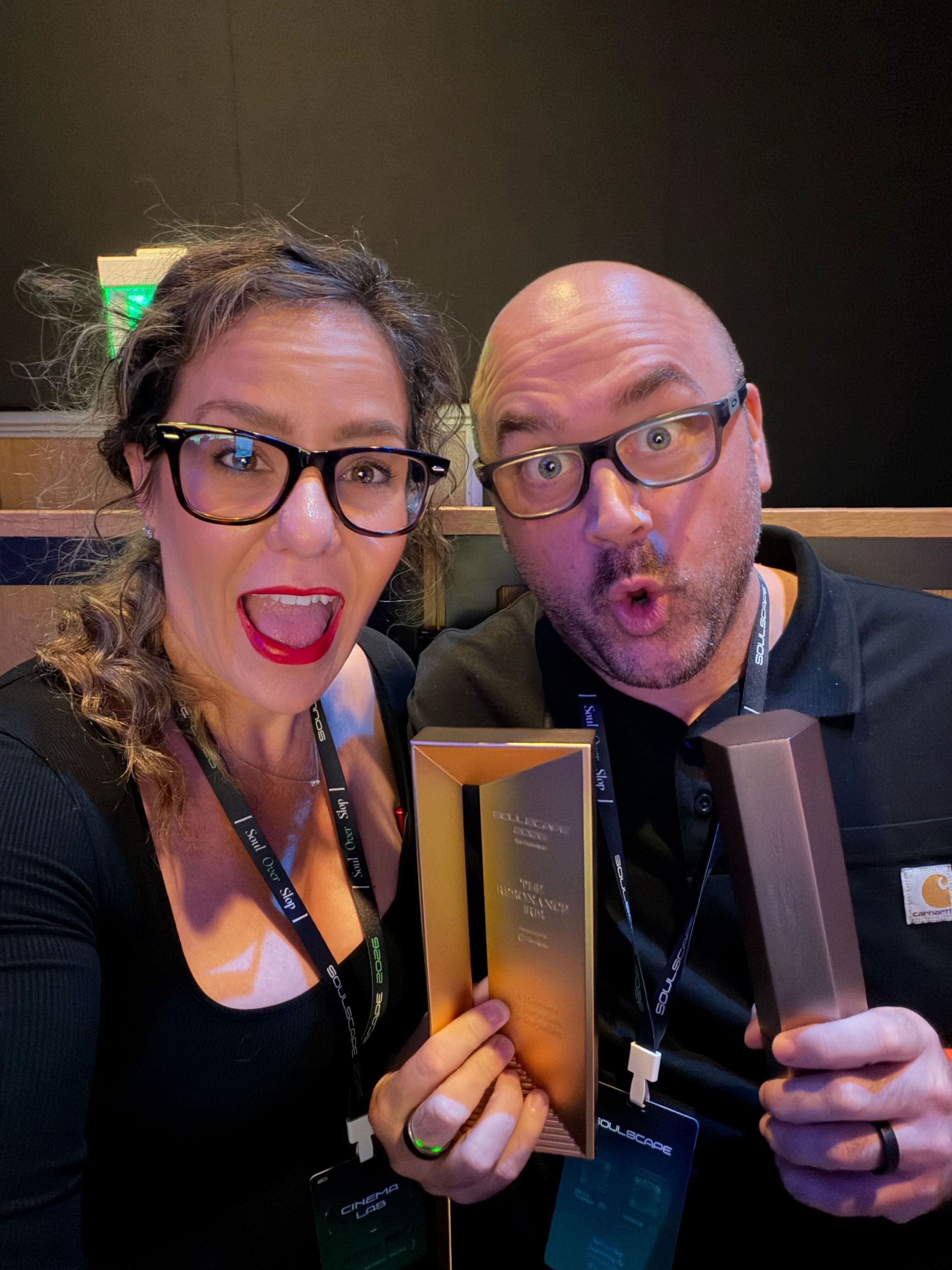
When Soulscape 48hr Cinema Lab gave Andrew Boer of Think Foundry the grand prize for the AI short film Before Me, they said what stood out was that it started with story.
Before Me explores life, death, sacrifice, and the world our parents build for us. It uses AI as part of the filmmaking process, but the emotional core came from a very human idea: reflecting on what gets passed down to us, and what we carry forward.
That idea came in response to the competition prompt: What world would you build?
Many teams interpreted that through imagined worlds, futuristic ideas, or fantasy. Andrew Boer, Think Foundry’s Head of Post Production, led a small team that took a more personal approach.
Instead of asking what new world could be created, he focused on the world that’s created for us. The one shaped by our parents, by sacrifice, and by the choices made long before we arrive.
That became the foundation for Before Me.
Let the Story Lead
The first ideas were bigger.
Andrew originally explored multiple storylines, including an astronaut launch, a hospital sequence, and war. The thinking was to show different human experiences coming together under one theme.
But once the team started generating, it became clear pretty quickly that some ideas were going to be too complex to pull off well in a 48-hour window. The astronaut concept was one of them. There were too many moving parts, and consistency across shots was hard to maintain.
So they adjusted.
Instead of trying to force a bigger concept, Andrew focused on what was working and where the tools were strongest.
That led to the first-person POV approach.
It was a creative choice, but it was also practical. One of the biggest limitations in AI video right now is dialogue between characters. A short line can work. A full back-and-forth conversation usually doesn’t. Facial movement, lip sync, and subtle expressions still break realism pretty quickly.
By shifting into POV, the team avoided those weak points entirely.
It also changed how the story felt. The viewer isn’t sitting back watching scenes unfold. You experience moments through the character’s eyes, which makes it feel more immediate and personal.
That approach also gave narration a bigger role. Voice carried the story, while visuals focused on emotion, movement, and perspective.
In the end, simplifying the concept made the film stronger. It let the team spend less time fighting the technology and more time shaping the story.
Experience Helps Make the Tools Work Better.
Before Me was built using TapNow.ai, Seedance 2.0, Nano Banana Pro, and Eleven Labs. Those tools made it possible to move fast, test ideas quickly, and build visuals that would have taken much longer through a traditional workflow.
But the tools were only one part of it.
What really shaped the film was experience.
Andrew has spent years editing stories at Think Foundry, working across different formats, clients, and creative challenges. He’s worked with the founders Avery, Casey, and Matt bringing different perspectives to storytelling. Different creative instincts, different ways of approaching narrative, and different ways of thinking about what connects with an audience. That experience gave him a strong instinct for pacing, shot selection, and knowing when a moment is working or when it needs to be cut. It also gave him confidence to work quickly under pressure, which mattered in a 48-hour competition where every hour counted.
That speed created room to experiment. More time to generate. More time to refine. More time to focus on story.
What
Before Me Opened Up
One of the biggest takeaways from Before Me is seeing what becomes possible when strong storytelling is paired with the right tools.
AI makes filmmaking easier, but there’s still a lot of craft involved. You still need a clear idea, good creative judgment, and the ability to shape something into a story people connect with. If anything, AI makes taste more important. You can generate endless options, but knowing what’s worth keeping is where the real work happens.
What does change is the process.
Ideas can be tested faster. Visual directions can be explored without large setups. Small teams can experiment in ways that used to require bigger budgets, bigger crews, or much longer timelines.
For Think Foundry, that’s exciting because it opens up new creative possibilities. It gives the team more room to push ideas further, iterate faster, and bring ambitious concepts to life in ways that were harder to do before.
But the foundation stays the same.
A good story still needs emotional truth. It still needs intention. It still needs people behind it who know how to shape a moment, build tension, and create something worth watching.
The tools are evolving quickly.
Storytelling still comes down to craft.
To talk to our AI Video team please email us at hello@thinkfoundry.com